Skin Grafts

Skin grafts and flaps

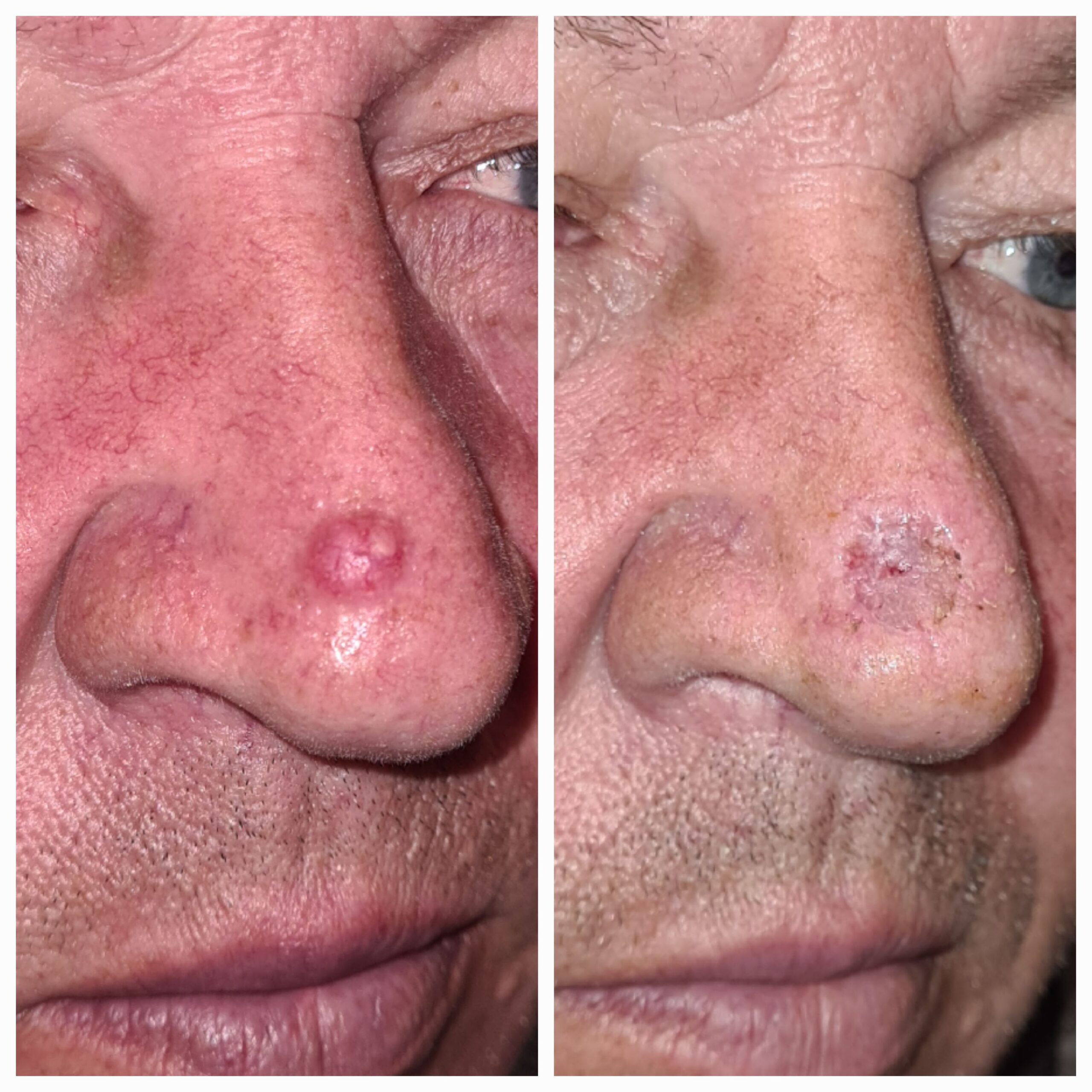
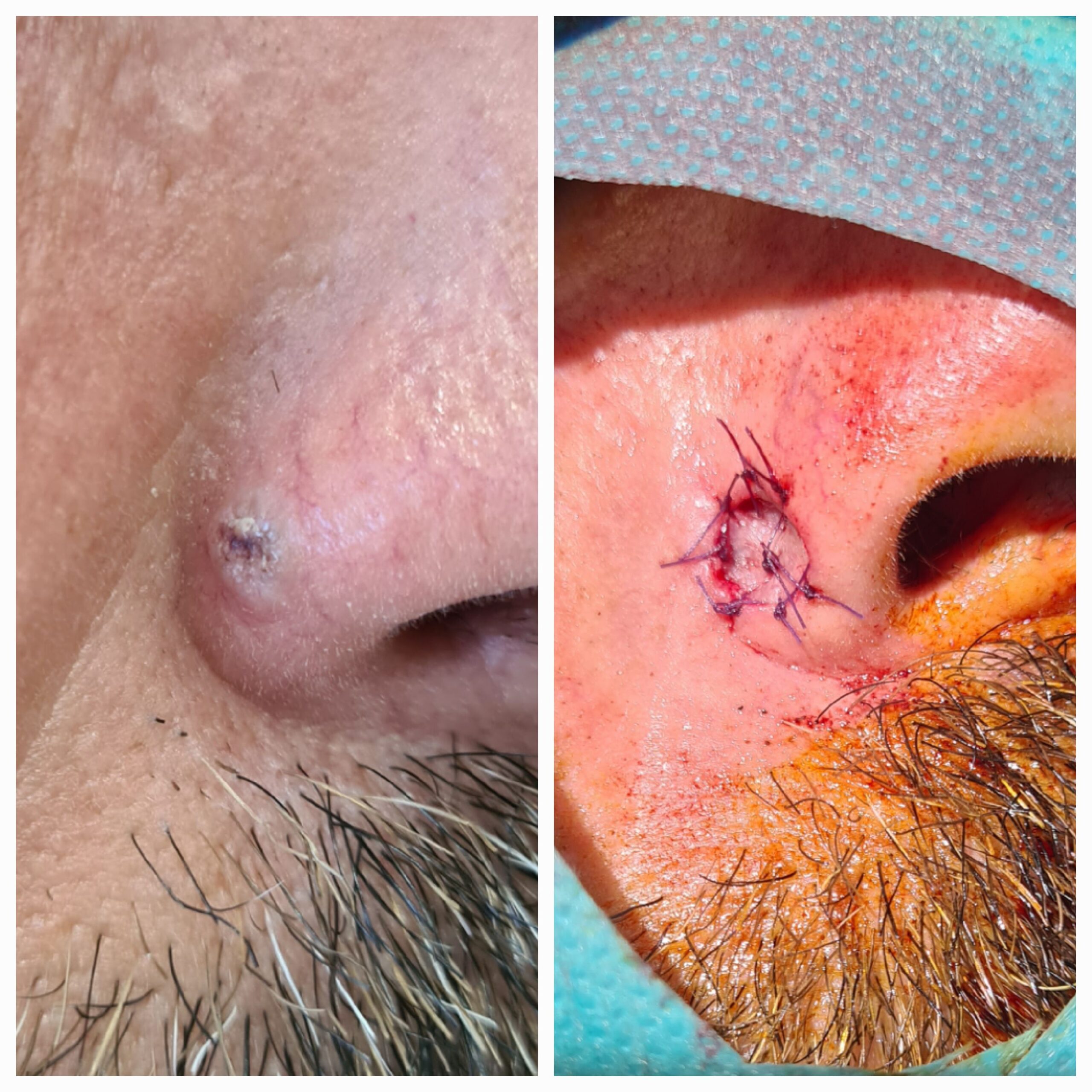
The reconstruction of skin defects resulting from tumor excisions, trauma, or complex surgical interventions requires personalized surgical solutions.

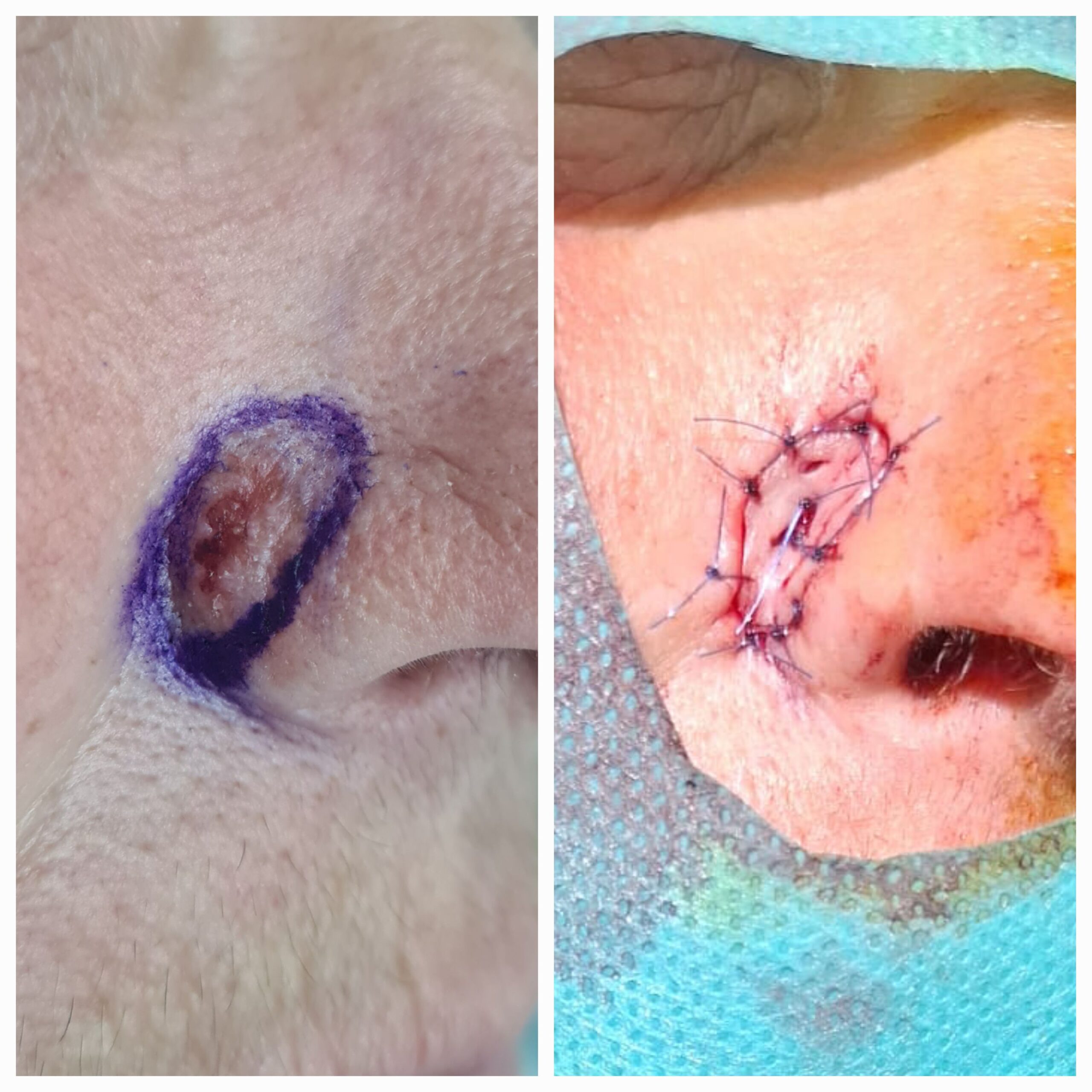
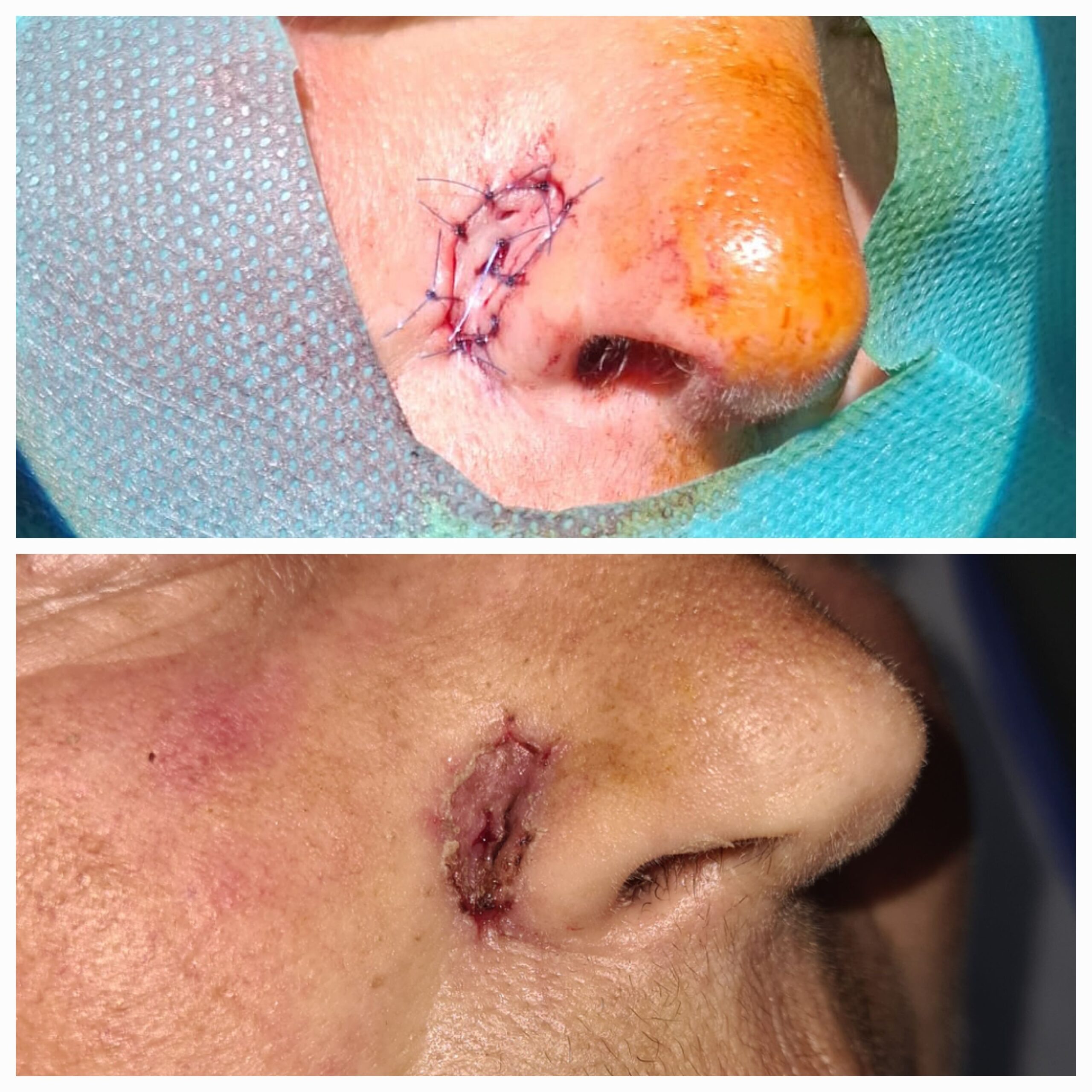
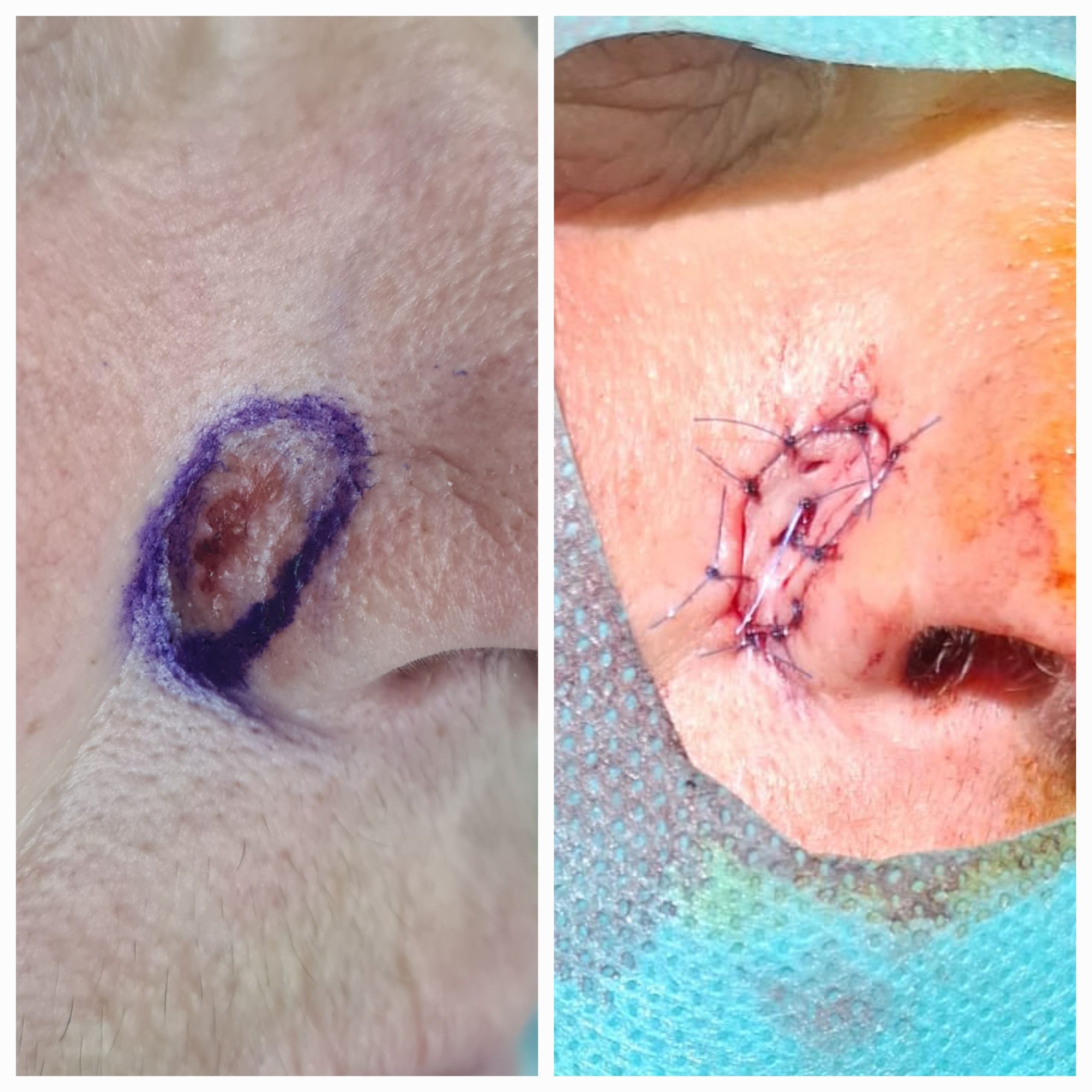
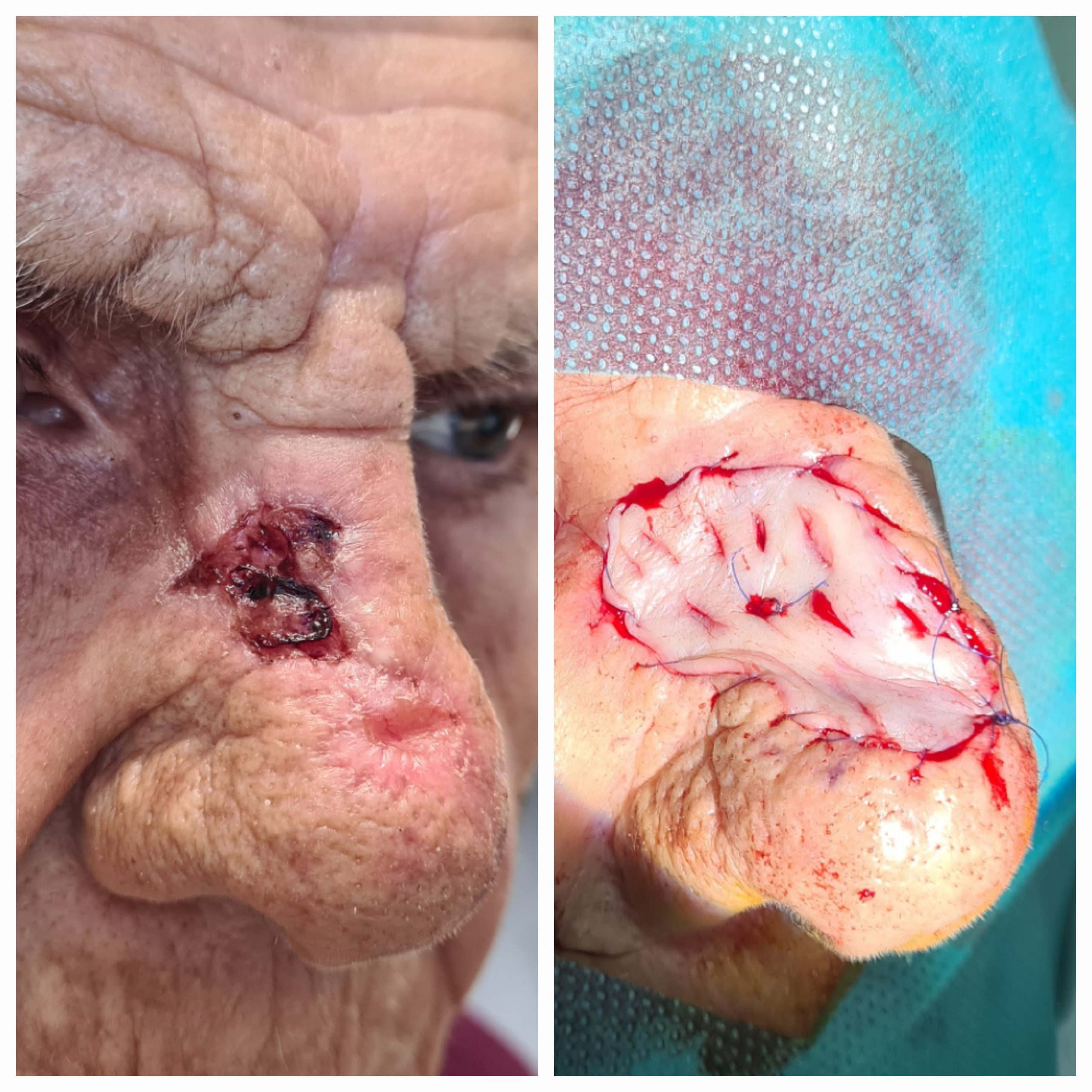
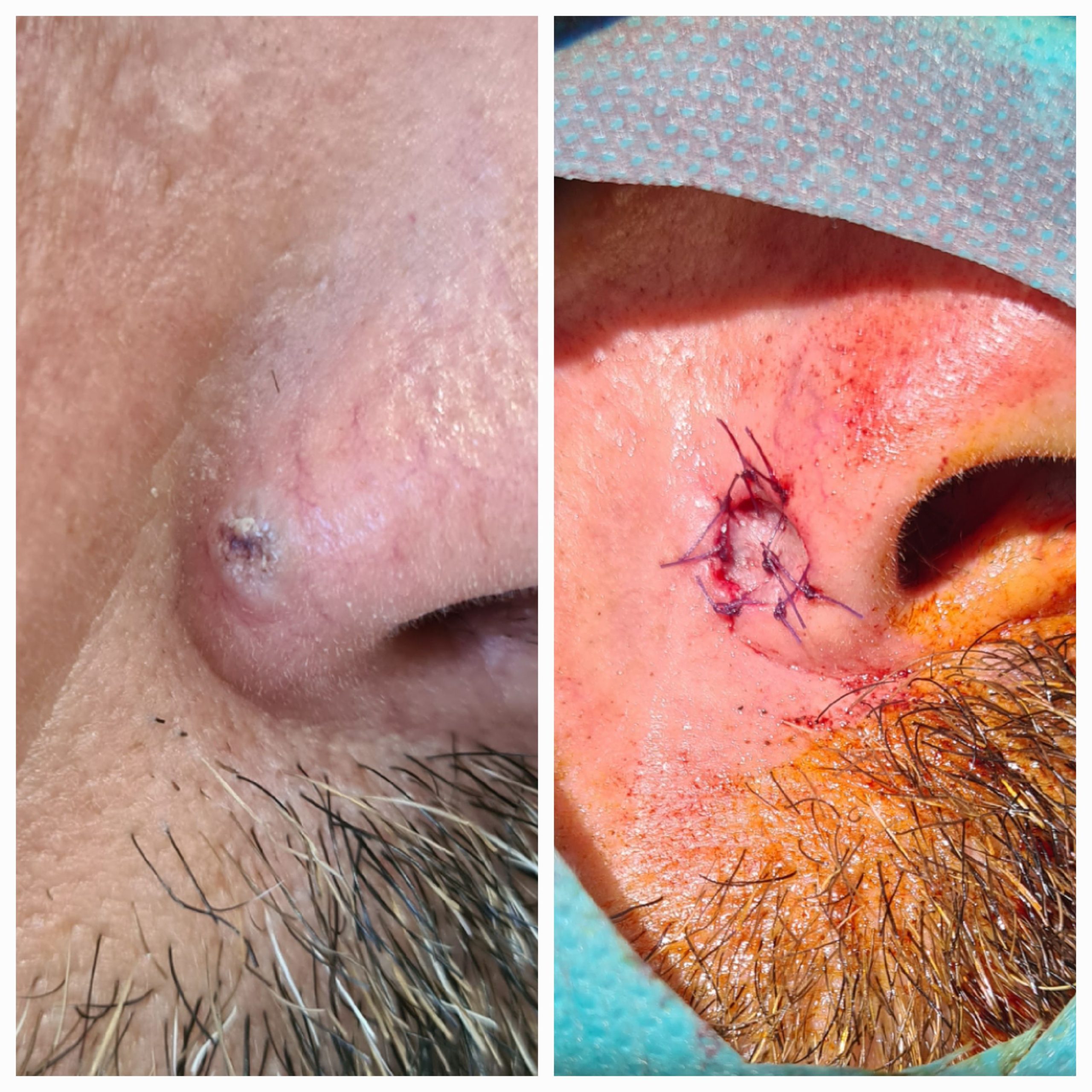
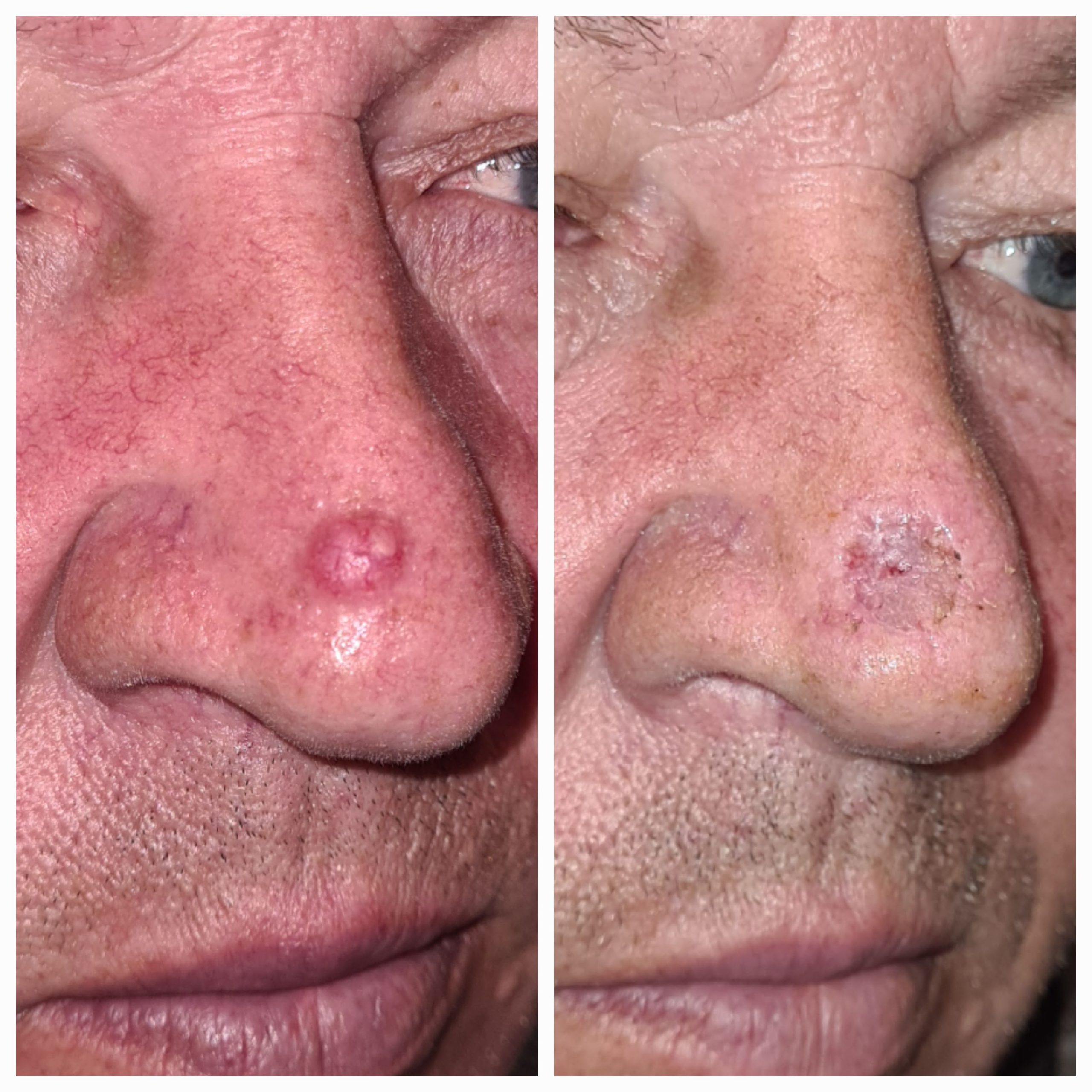
In my surgical practice, I frequently use skin grafts and cutaneous flaps to cover areas where direct suturing is not possible.

What are skin grafts

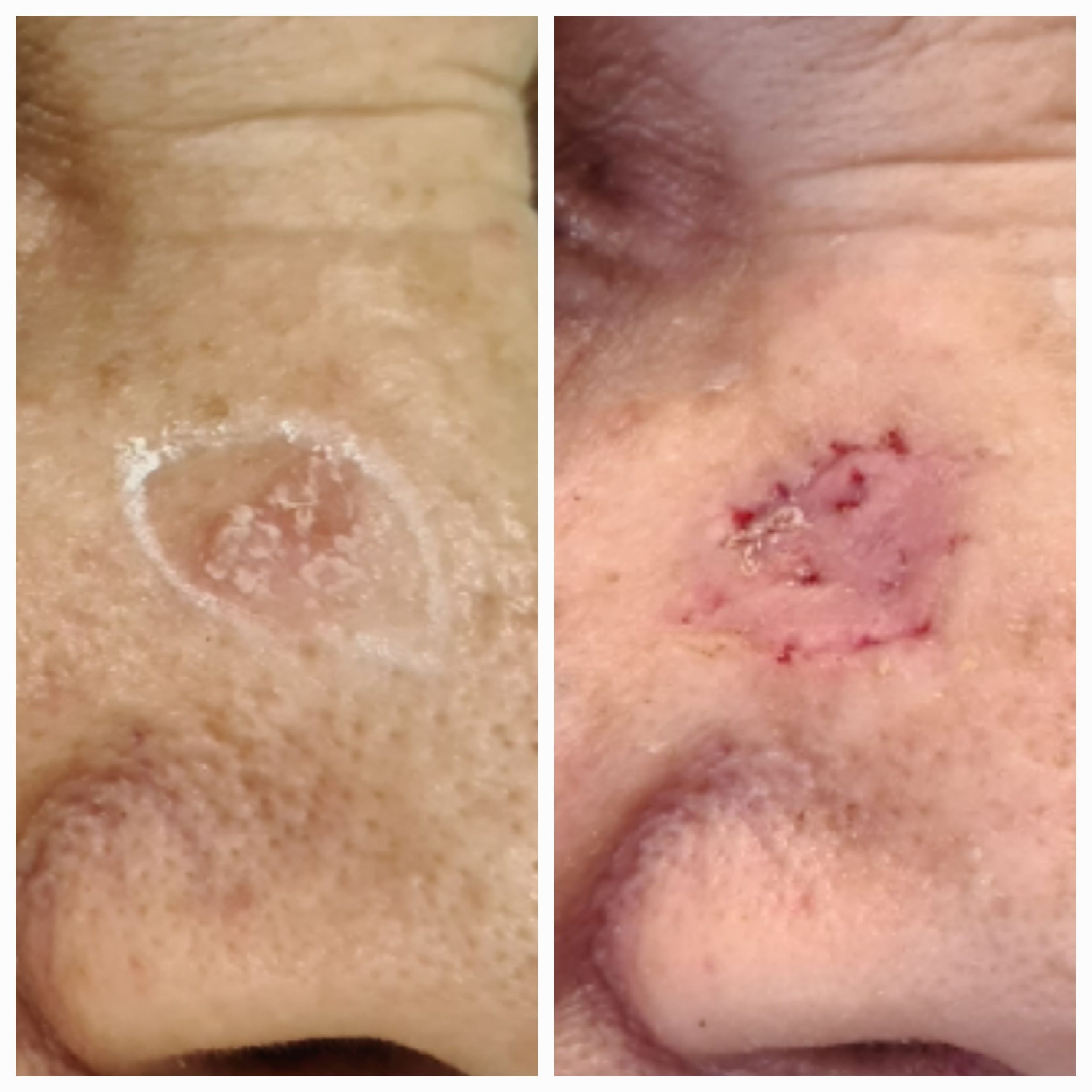
Skin grafts are fragments of skin harvested from a donor area (usually the retroauricular region, arm, or thigh) and transferred to an area that has experienced tissue loss.

They can be:

  • Split-thickness free grafts – containing only the superficial layer of the skin;

  • Full-thickness free grafts – including all layers of the skin, providing a better aesthetic result in visible areas (nose, face, hands).
What are cutaneous flaps?

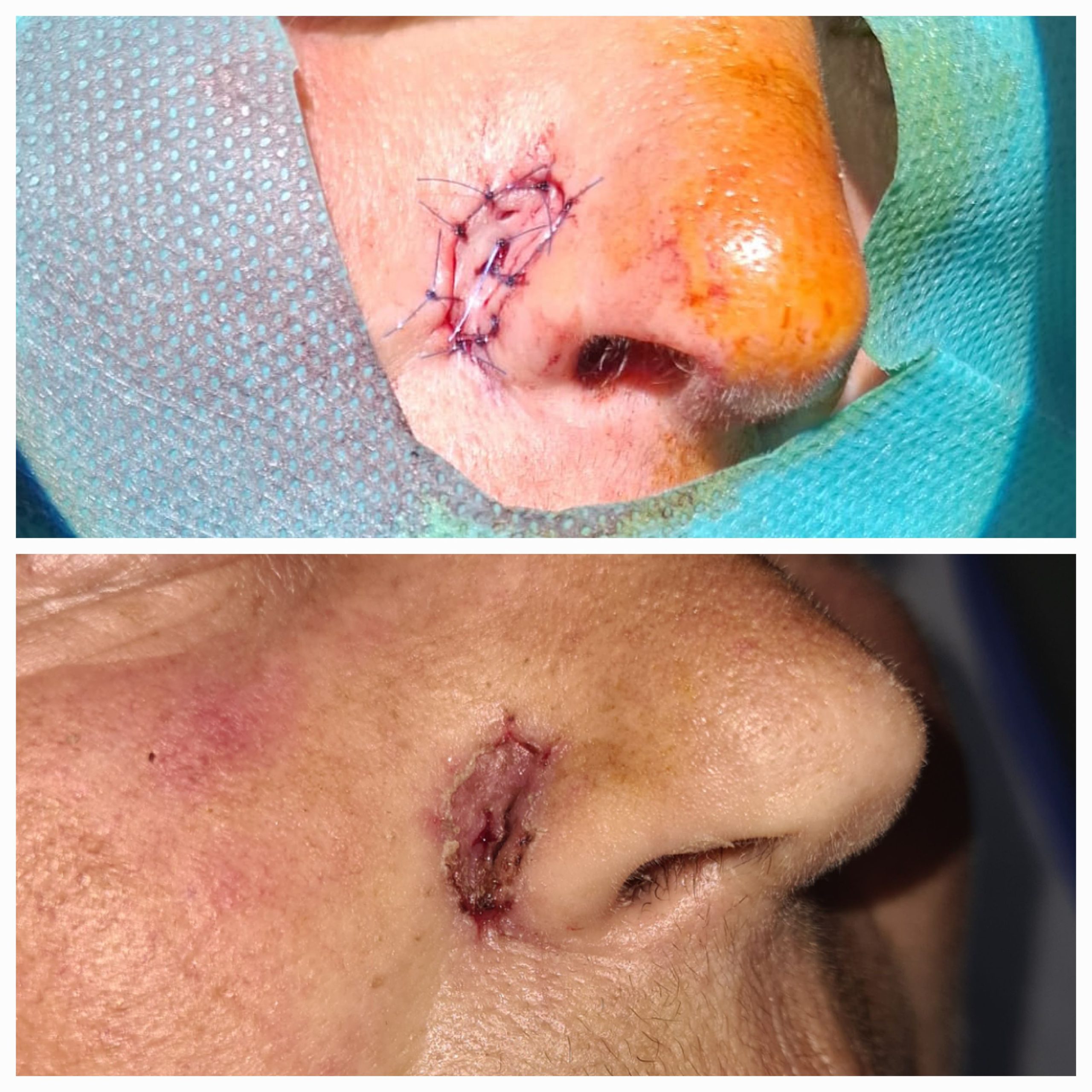
Flaps are segments of tissue (skin, fat, sometimes muscle) mobilized from the area adjacent to the defect and rotated or advanced to cover the defect.

The flap remains attached to its original site by a vascular pedicle, which provides its own blood supply and ensures a high rate of integration.

Grefa

When do we choose one or the other?

Each patient is unique, and the choice between a graft or a flap depends on:

  • the size and location of the defect;

  • the depth of tissue loss;

  • the vascularization of the area;

  • the aesthetic and functional goals.

Patient Experience and Outcomes

In every case, my priority is optimal functional and aesthetic restoration, using modern techniques and appropriate materials.

Careful post-operative monitoring ensures proper integration of grafts and flaps, and the results can be excellent even in complex cases.

Grefa